


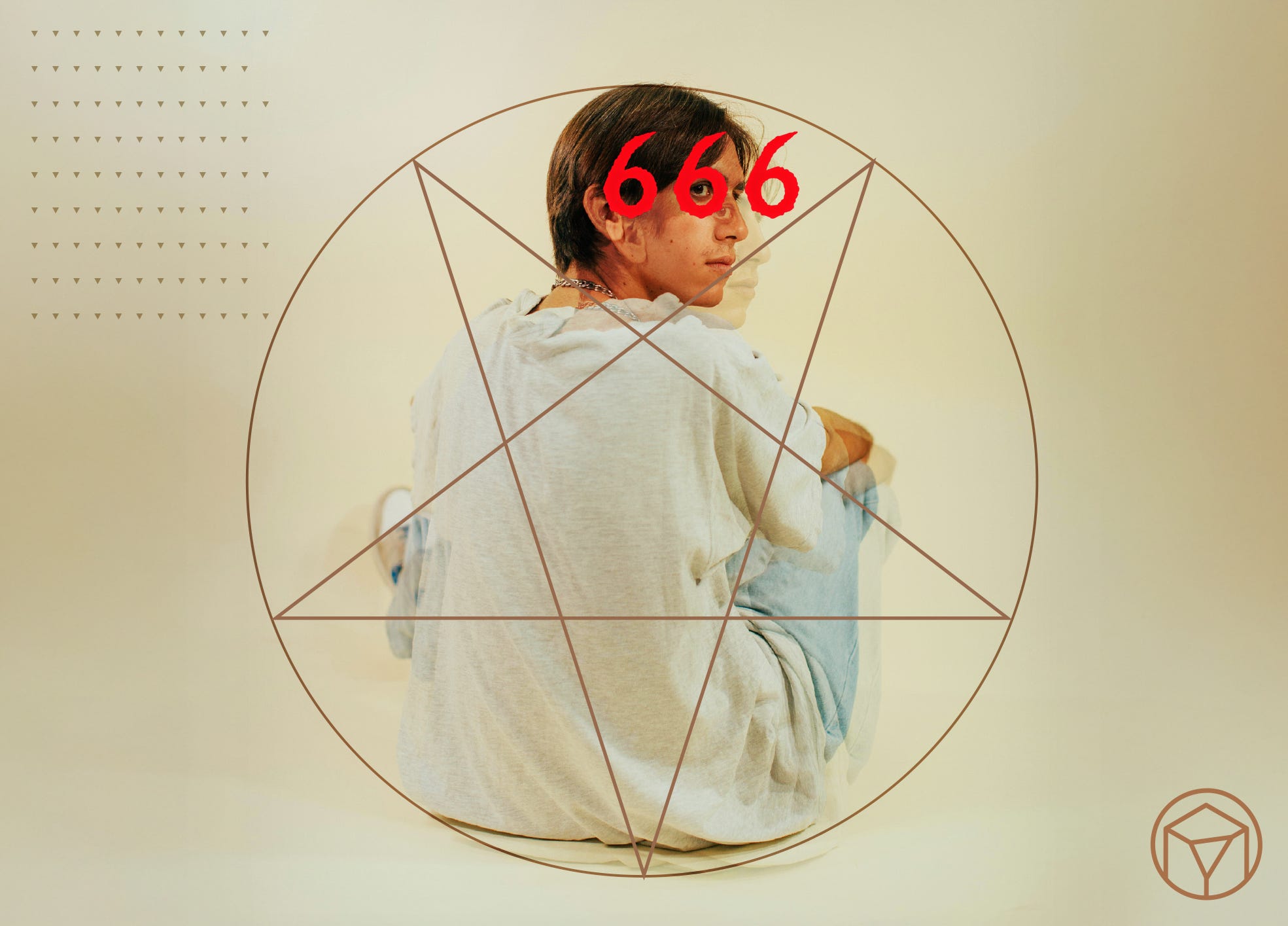
“You have shown me a strange image, and they are strange prisoners.”
– Glaucon
It starts small, contained. A single-screen sandbox shaped with minor gestures: a step here, a click there. At set intervals, decisions are requested – this, or that? I weigh the trade-offs and select an option. And then another, and another, as I assemble an invisible engine with a singular purpose: more. Integers bloom on the screen in pixelated sparks, coruscating rainbows. My power grows; the sum compounds. New combinations unfold. Chaos proliferates. A crushing inevitability accelerates toward me.
And all the while, I make my little choices.
Clover Pit is a self-described “demonic lovechild of Balatro and Buckshot Roulette” that “traps players in a hell of their own creation.” Upon loading a new run I awaken in a dingy, filthy room, barely large enough to turn around in. The only door out is locked. I stand precariously above a pit, balanced on a grate threatening to collapse. The shelf before me holds a well-used ashtray and a register-sized slot machine. The red-knobbed lever extends toward me, like a handshake.
A disembodied authority barks messages at me over the intercom. I have debt, and a deadline. The solution is obvious.
“Let’s go gambling!” the slot machine chirps as I pull the lever and begin the cycle. After a few neon-soaked merry-go-rounds, a paltry sum of coins spills out. Between spins I can deposit my meager earnings, which will generate interest round to round, getting me closer to paying off the debt. It feels familiar.
I also have the option to purchase from a selection of lucky charms, objects equally at home in an occult cabinet of curios and a filthy truck-stop bathroom. The charms augment how often the various symbols appear at the slots, what they’re worth, what a given pattern scores. The ratios and multipliers are etched onto the wall, along with scrawled warnings from persons unknown. I make my decision, and I return to the machine to stare into the whirling symbols, waiting for a pattern to emerge.
Lately I find myself enamored? enthralled? entrapped? by this kind of game. The family tree includes titles such as Balatro, Vampire Survivors, Slots & Daggers, Ballionaire, and Ball x Pit. At its root is that primordial delight, synergy. But there is something else in these games that calls to me. The siren song of their species promises something just out of reach, if I would only sit and play a little longer.
Clover Pit is unabashedly more sinister than its relatives, reveling in the diabolic bargain of both money and time that the player makes with every spin. It is, strictly speaking, not gambling. Just a game about gambling. To actually gamble with my wages, I could turn to one of the many sports-betting apps now legal and available in America. Or I can instead “bet what I know,” as their slogans suggest, with prediction-market platforms like Kalshi and Polymarket, where I’m offered odds on everything from the final sales price of a rare Pikachu to how soon a world leader will be removed from office (and would you like the odds on alive, or dead?).1
The specifics of the wager matter little. Your trade may be in fruit or gunpowder, cardstock or curses, happiness or misery. But what these platforms and Clover Pit have made so plain, so uncomfortably naked, with their profane calculus, is the Faustian allure of a game that offers you a chance to beat the house. It’s not about riches and high scores, not really. Those are just the proof of agency reclaimed from a cruel, punishing system. This kind of game’s true power fantasy is the fantasy of power – of influence. If the odds are stacked against me, I’ll make them work for me. As it turns out, not all probabilities are created equal, if you know the right plays. The right choices. Just spot the pattern, make a few calls, and you can win back control. Better yet: an escape.
And that, I realize, is how Clover Pit has taken hold of me. It’s why I find myself playing it again and again, staring at my monitor until my eyes beg to blink and the dawn light creeps in, because I’ve cracked it, there is finally order in the chaos, a path out of the pit, an anarchic writhing pattern but a pattern just the same, something that I can shape, that responds to my hand at the helm, even as the world outside careens out of control and ever faster downward, the future and the abyss rushing to meet us. Everywhere I look, I’m locked in the pit. But this game I can beat.


At time of writing, a 30-grand bet on Venezuelan president Nicolás Maduro returned a tidy sum of $400,000 after his abduction by United States armed forces, which happens to be a decent mid-game round score in Clover Pit.