


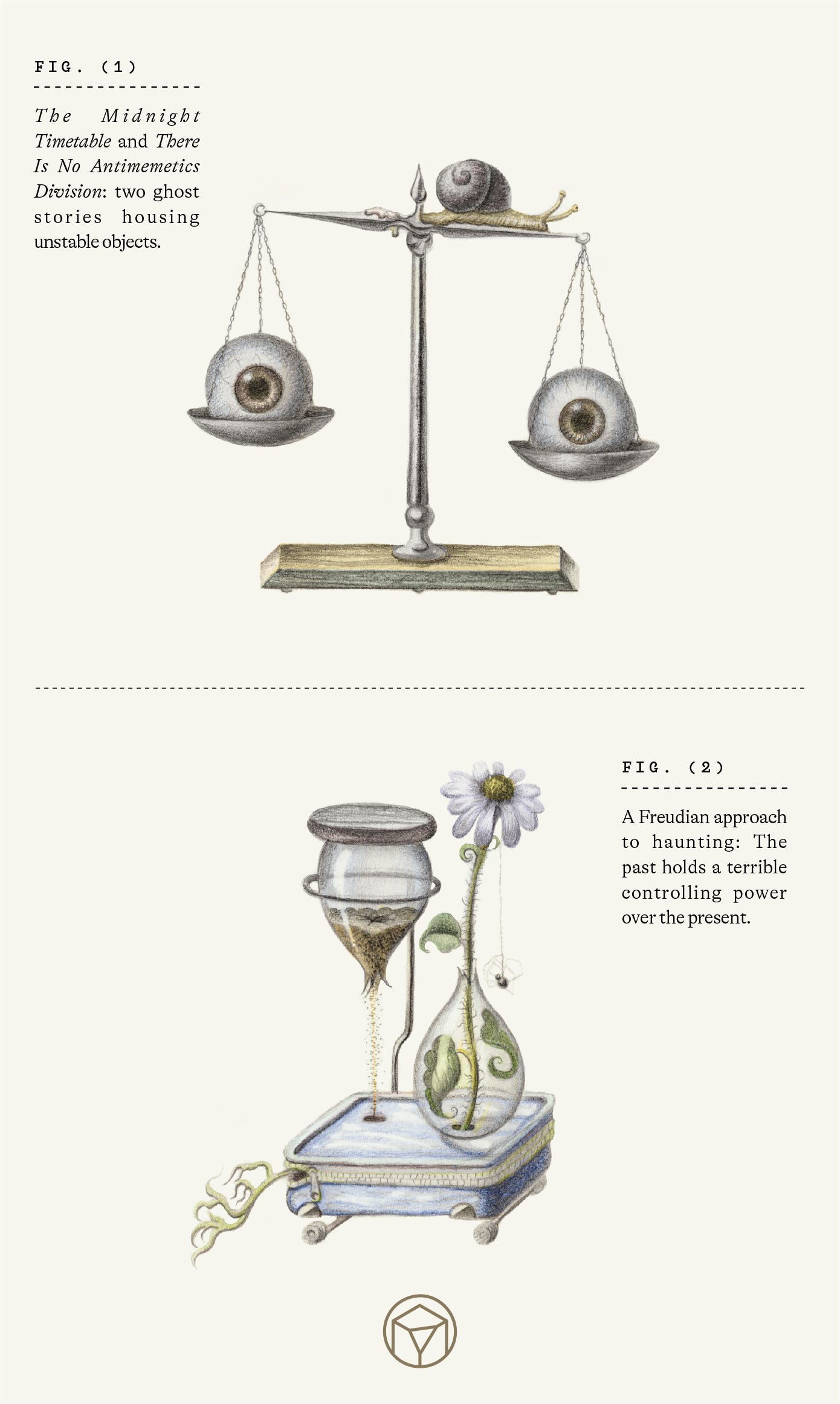
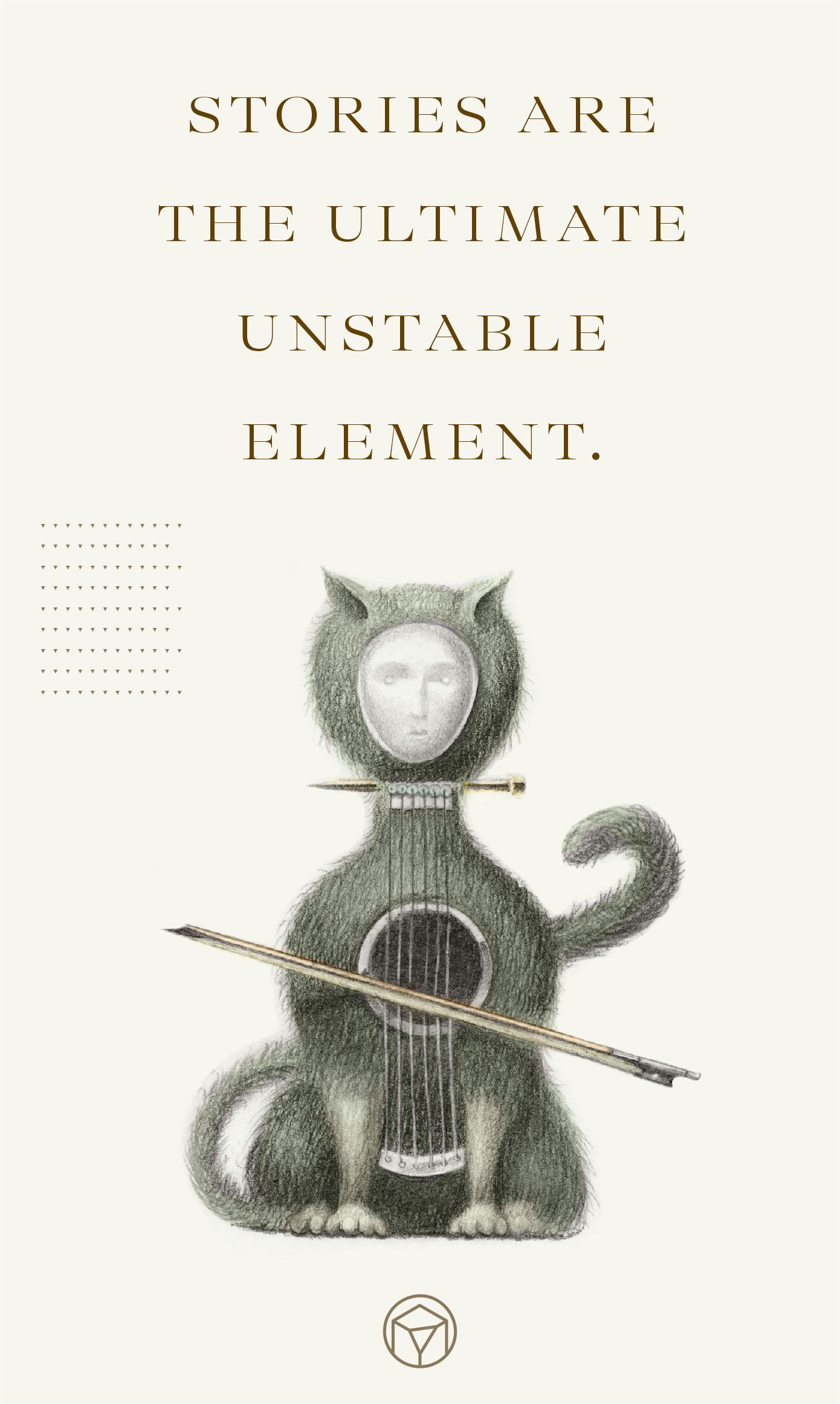
Can fiction become a form of receptacle, or reliquary? Here are two novels about attempts to store unstable objects. In Bora Chung’s The Midnight Timetable, the Institute is home to a selection of haunted items: a tennis shoe, a handkerchief, a cat that should really have been killed by the nail sticking out of its fur. And in There Is No Antimimetics Division, by Sam Hughes, a writer and programmer who works under the pen name qntm, the Organization has a whole department devoted to the containment of ideas and entities that come with “self-censoring” qualities. These “antimemes” shape the world around us but avoid any kind of purchase in our memories or perceptions.
Both the Organization and the Institute are examples of the kind of pulpy, paranoid spaces that Amy Scattergood invokes so luminously in her poem “The Ministry of Truth”:
Inside the locked doors
a library of telephone books
from each foot-thick metropolis to the pioneer shacks.
Every day phones ring.
They are also, as many reviewers have pointed out, timely incarnations of the classic haunted house – both offer a series of rooms in which strange things might happen. And frequently they do.
Chung’s novel is, superficially at least, the more traditional of the two. In the book’s afterword, she suggests that ghost stories are a handy option for writers whenever they’re otherwise blocked, and these are, indeed, all ghost stories in the first reading. It’s not hard to think of each one as a nudge or prompt to get the mind working on a chilly morning. One after another, every story is built around an object in the Institute’s rooms that has unresolved emotions and meaning attached to it. It’s a Freudian approach to haunting: The past holds a terrible controlling power over the present.
And so that handkerchief leads us into the story of a family pulled apart by a pathologically selfish sibling, while the story that starts with the tennis shoe ends with the quiet unraveling of a social media streamer. The final episode in the novel makes the connection between physical items and their tethered ghosts entirely clear, in fact: Once a month the Institute’s noctivagant staff turn up for work in the daylight hours, and air all the items out on the lawn in order to expedite “the freeing of those that haunt the objects.”
In Antimimetics Division, however, things are initially more fraught. The risk inherent in running an organization that seeks to contain objects that can’t be remembered is a kind of institutional dementia. Marie Quinn, who is probably no longer aware how much time she’s served in her role tackling antimemes, is only dimly aware that her staff at the Organization continues to get smaller as people forget their jobs. Whole pieces of de - partmental infrastructure disappear suddenly when antimemes eat the memories of their existence. Plans for containing specific antimemes are made and remade, enacted and reenacted over the course of decades because the results cannot stick in the mind.
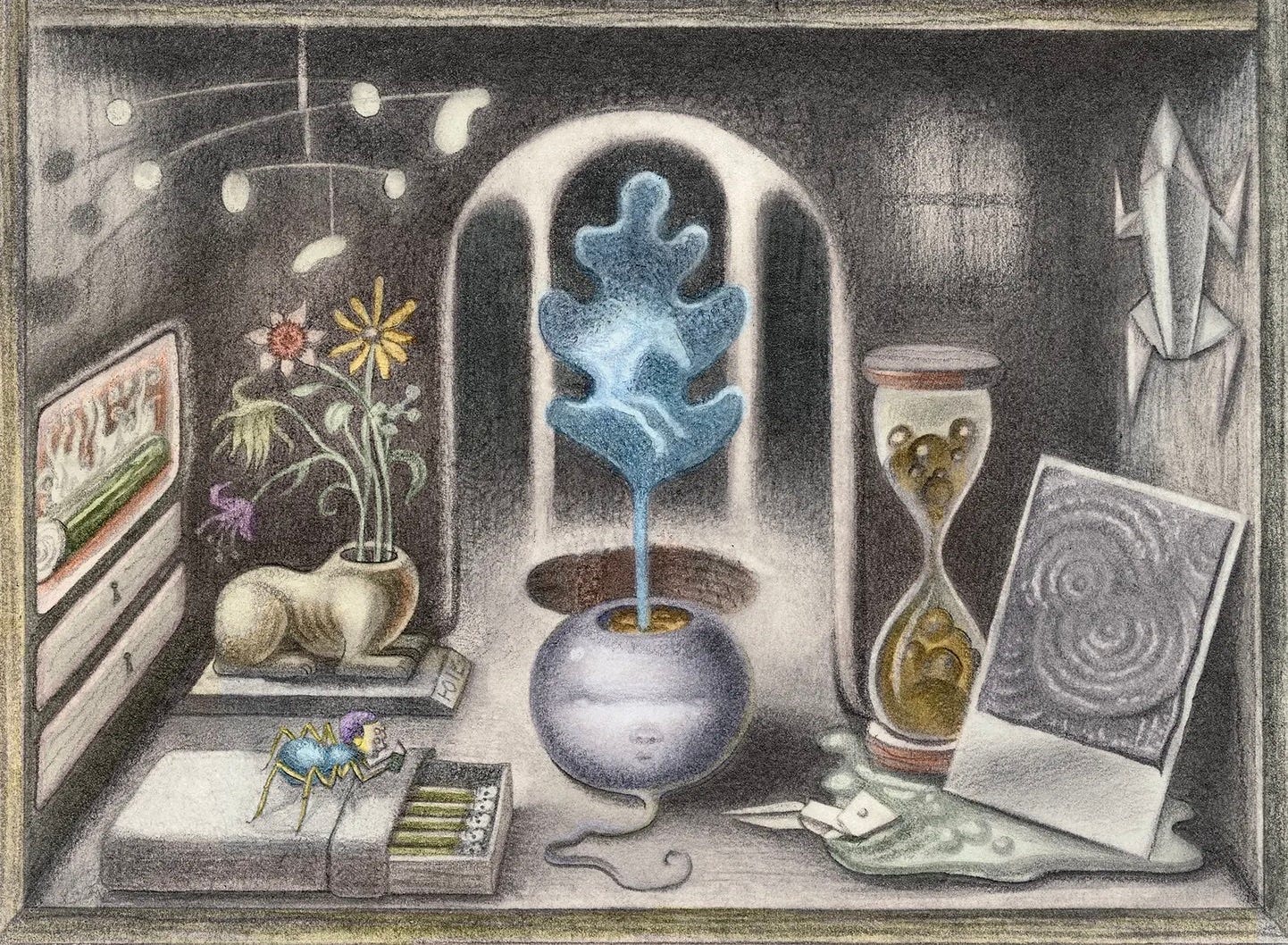
Agents are left to discover traces of their own past experiences, driven forward by promising gaps rather than the memories themselves, which no longer exist. “There are ideas that can’t be spread,” Quinn explains early on. “There are entities and phenomena that harvest and consume information, particularly information about themselves. You take a Polaroid photo of one, it’ll never develop. You write a description down with a pen on paper and hand it to someone, but what you’ve written turns out to be hieroglyphs ...”
Despite the differences in approach, Chung and Hughes have to contend with the fact that there is nothing in life quite so unstable as a story that’s in the process of being told. And so along with their cursed artifacts, both authors must engage with the maddening way that narrative wriggles around when you try to get it to behave.
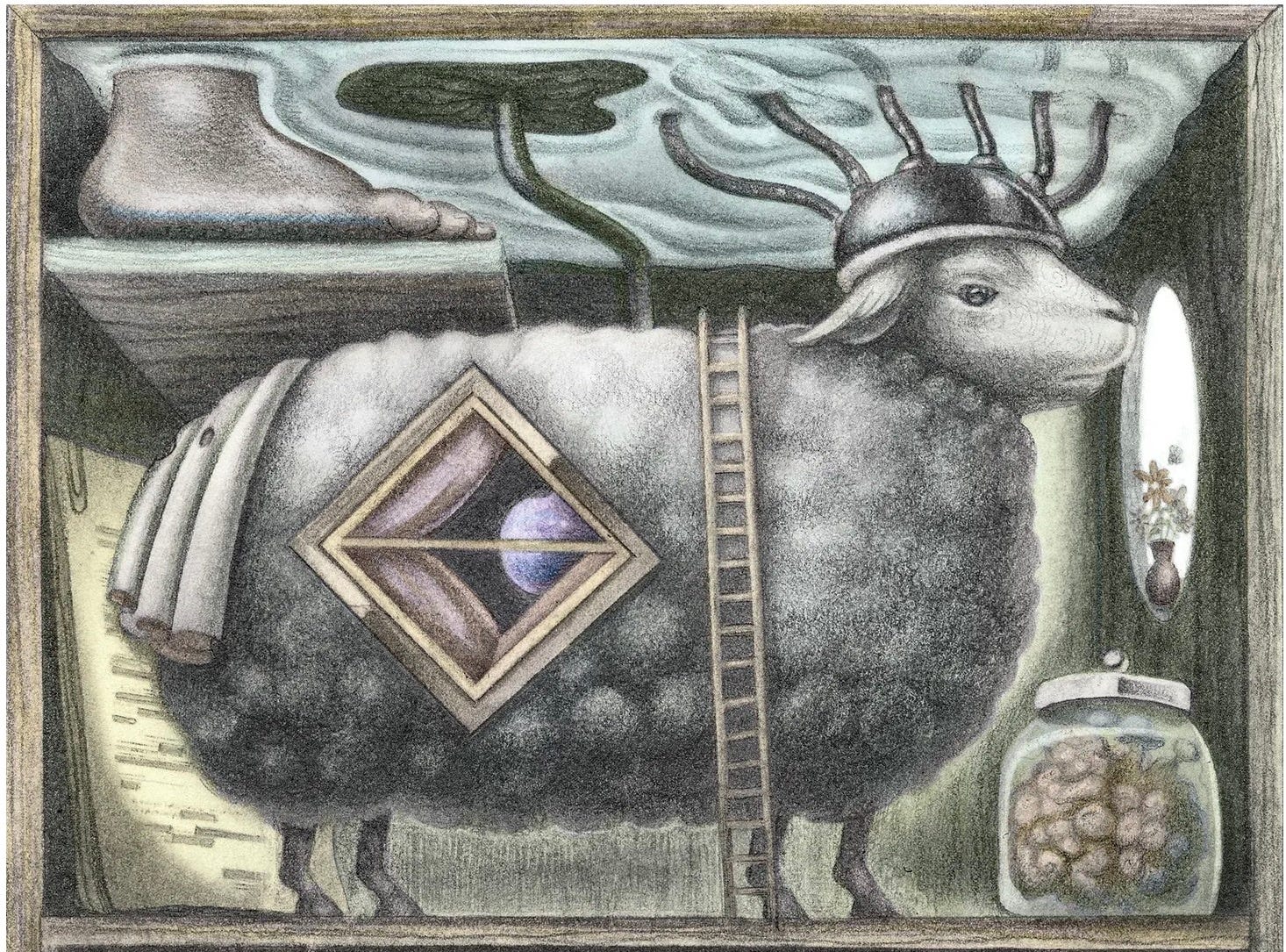
For Chung, this leads to a kind of blending effect. The items in her Institute inevitably lead the reader out into the wider world. Once freed from its confines, that tennis shoe, or that handkerchief, is able to travel through time and space and even the porous borders of individual narratives. The Institute’s staff become protagonists as well as custodians: One must deal with an endlessly telescoping tunnel as they drive home from work, while another receives lottery results in advance from a telepathic sheep. The handkerchief is both a desired treasure that destroys a contemporary family and an object from the distant past, created as a gift for a bride-to-be. More than anything, it’s an object that just keeps turning in up in unexpected places.
And for Hughes, an opposite force is at work. Antimimetics Division began life as a serial fiction on the website of the SCP Foundation. This is a wiki-based “collaborative writing project” in which people from all over the world come together to add their own store of paranormal items, along with their histories and instructions on how to contain them, to the website’s archive. But Hughes reworked the book prior to Del Rey’s republication, and in doing so he tinkered with the structure, clarifying that it’s a novel rather than a series of stories. But somewhere along the way, a quietly stabilizing effect has creeped in too, and this is a shame.
Taken in small chunks, Hughes’ tales excel at wrong-footing the reader. Narrators turn out to be unreliable, simply because they cannot remember the details of what they’re doing for very long. A bureaucrat’s aide turns out to be an infiltrating specter in one story, while a woman must scrub away the memory of her marriage to save her husband in another. These moments work beautifully as vignettes.
But for a novel, the narrative must often build in the telling, and as the threat posed by the anti-memes grows more apocalyptic, even a story as strange as Hughes’ finds itself slipping into familiar beats. As the third act looms, there are protagonists and antagonists handily established. There’s a world-ending disaster looming and there’s a desperate plan in place to avert it. It doesn’t really matter what the flavor of horror is anymore, because the story has succumbed to the comfort of familiar beats and a timeworn Hollywood structure.
Is this a disappointment? Perhaps a slight one. But it may also be part of both books’ real message. Stories, Chung and Hughes can testify, are the ultimate unstable element. They are as uncanny as things get. Any attempt to store them or organize them may change them forever. Ultimately, then, both these spooky books are twice haunted, firstly by the horrors that lurk in the archives, and then by narrative, and by structure, and by all the tricks we have learned and unlearned over the centuries of telling ghost stories in the middle of the night.

