


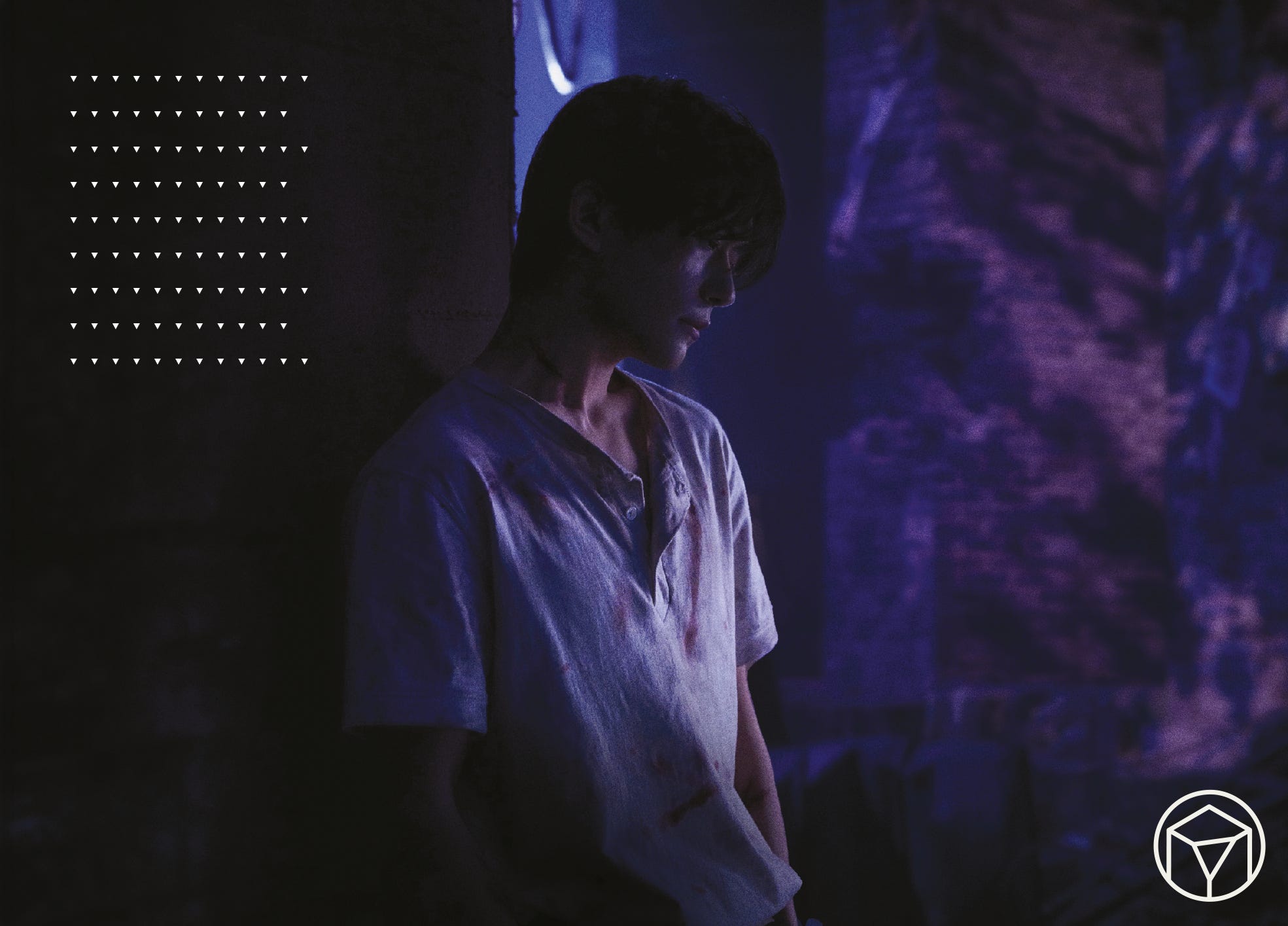
Bi Gan’s sweeping Resurrection (2025) is a 20th-century epic that considers a timeworn cinematic trope: cinema as a dreamlike experience, as necessary and natural to life as dreaming itself. The film recalls Federico Fellini’s pronouncement that “talking about dreams is like talking about movies,” wherein “years can pass in a second and you can hop from one place to another.”
As in dreams, every object or scene has the potential to mean something, though Resurrection’s nested narrative structure – consisting of five stylistically distinct and loosely linked chapters – resists both meaning and climax as vehicles for revelation. Unlike Kubrick’s Eyes Wide Shut or Lynch’s Mulholland Drive, which refuse to demarcate between dream and reality, Gan’s film repeatedly insists on its oneirism without fully yielding to the subconscious’s impenetrable chaos. The film operates on a pseudo-Freudian register of shifting symbols and moods, where settings and characters function as fleeting archetypes for Gan to showcase his technical prowess. Resurrection weaves together an impressive pastiche of styles – from silent cinema to film noir to Hong Kong art-house – in an earnest ode to the medium, though the film ultimately strains under the weight of its ambitious symbolism.
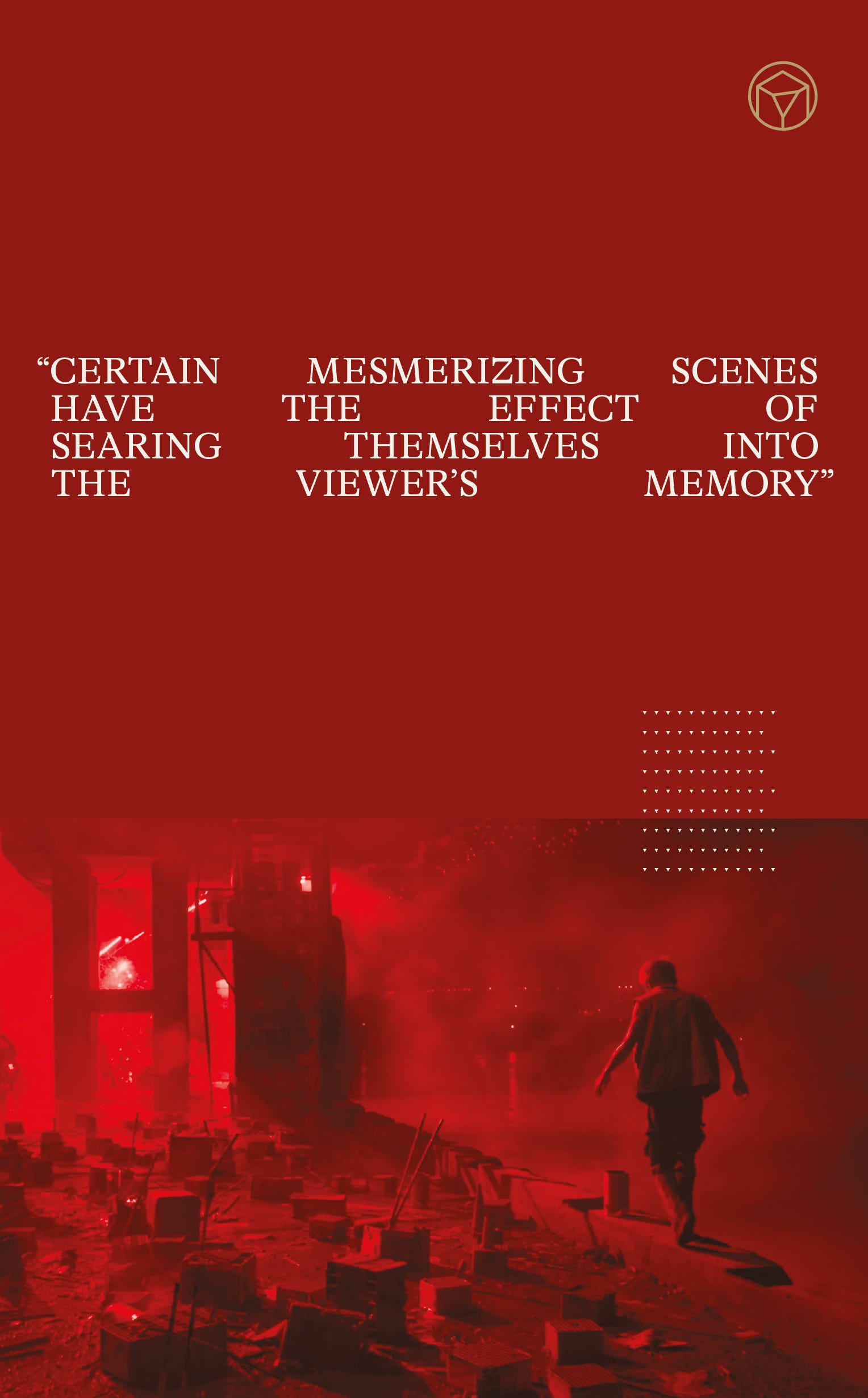
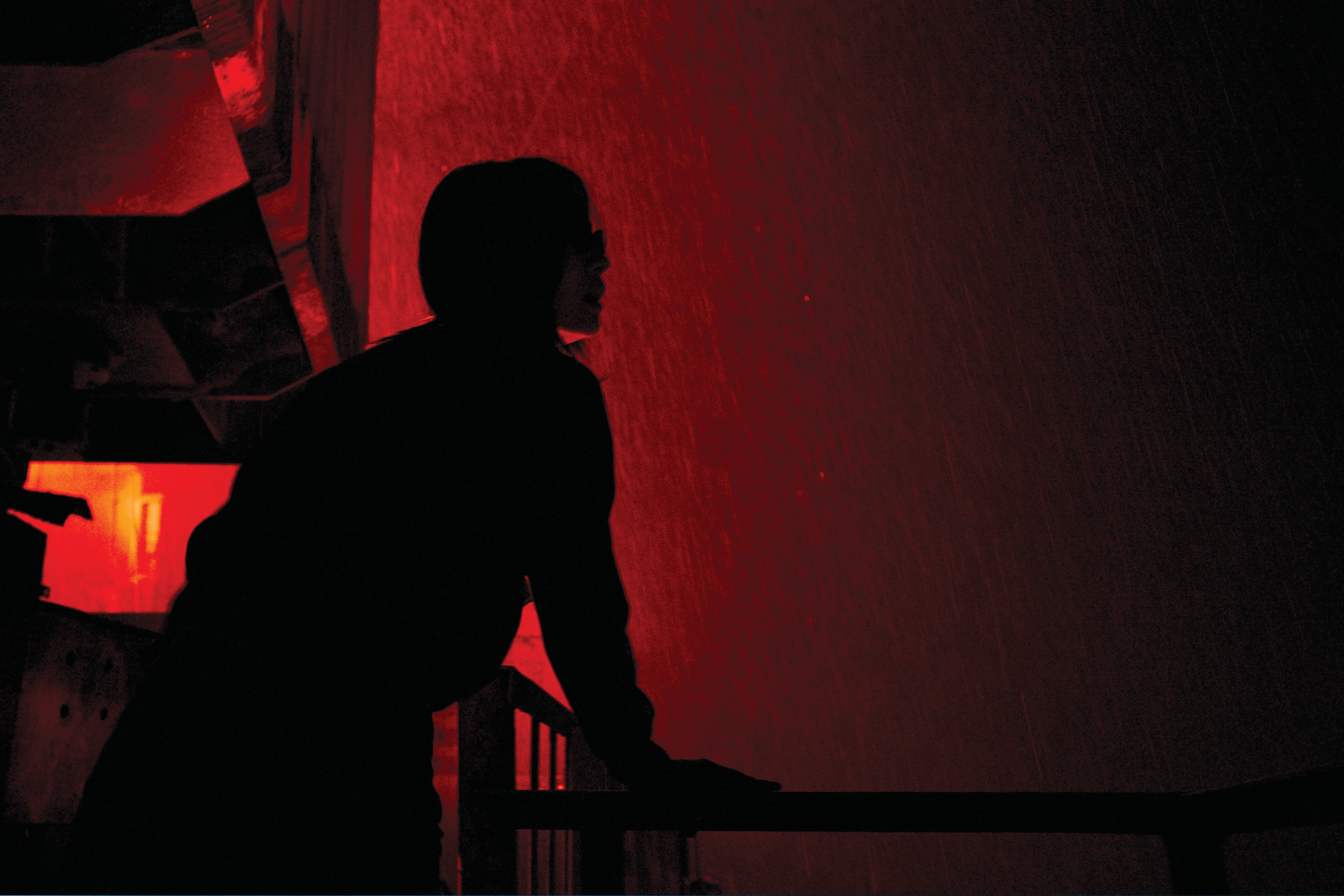
Still, an ecstatic maximalism pulses through the lens, and Gan’s skill is undeniable. Certain mesmerizing scenes have the effect of searing themselves into the viewer’s memory: the German Expressionist-style opium den with tilted walls and twisted staircases; a top-down shot of bloodied hands plucking a theremin; the serene surface of a petal-covered pond; and a lingering long take that trails a young couple through a maze of dilapidated warehouses. The succession of striking tableaux is the film’s greatest strength, highlighting the Romantic thrust of Gan’s project. Beauty is its driving force and primary preoccupation, even as Gan claims to probe deeper. “What do we want subconsciously? That’s what we neglect today in the cinema world,” the director said in an interview with Film Comment, bemoaning the societal urge to “control our illusions, our brains … our dreams.”
Resurrection asks the viewer to surrender these learned impulses. The film is based on an intriguing idea: If cinema is a reflection of our dreams (and dreams, in turn, are cinema), what happens in a world deprived of dreams? In this post-reverie future, most humans have opted to stop dreaming to prolong their lives. (One could interpret this as an allegory of a hyper-capitalist society that’s sworn off art and other “unproductive” activities.) Those who continue to are called Fantasmers, underground rebels whose dream-locked lives threaten to bring disorder to society. These dreamers are being hunted by a group called the Big Others, who are tasked with preserving the linear order of reality.
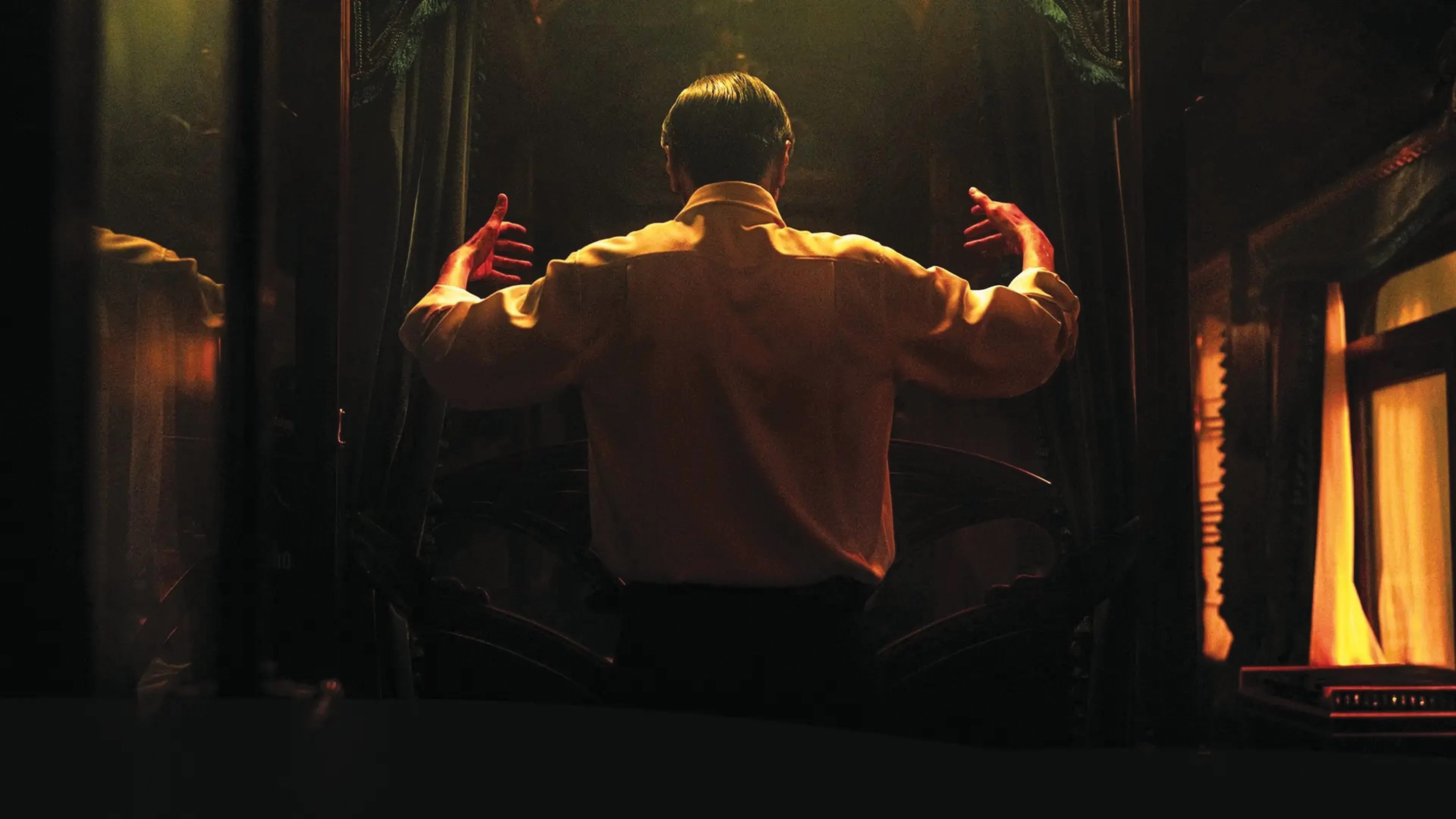
Resurrection opens in the style of a silent film, with the origins and ideology of this dreamless society explained through title cards. We are introduced to an unnamed female Big Other (Shu Qi) pursuing a withered Fantasmer (Jackson Yee), a movie-monster-like figure who resembles Nosferatu. This chapter, which forms the narrative backbone that contains all the other sections, serves as a sumptuous showcase of the film’s aesthetic ambition. The elaborate production design pays homage to a range of silent movies like The Cabinet of Dr. Caligari and A Trip to the Moon, and the Big Other is shown to be a kind of director, a feminine proxy for Gan to further his allegory.
As the woman descends further into the Fantasmer’s stylized dreamworld, her supernatural abilities allow her to alter his dreamscape. She moves at a different frame rate than everyone else on screen. Twenty minutes in, diegetic sound appears when the woman speaks of her feelings for the Fantasmer. She pities him and knows that he is dying. The Fantasmer has a projector lodged in the back of his body, which allows him to anatomically experience film. The woman tenderly fixes him up and gives him – and by extension, the audience – a new reel of film to inhabit.
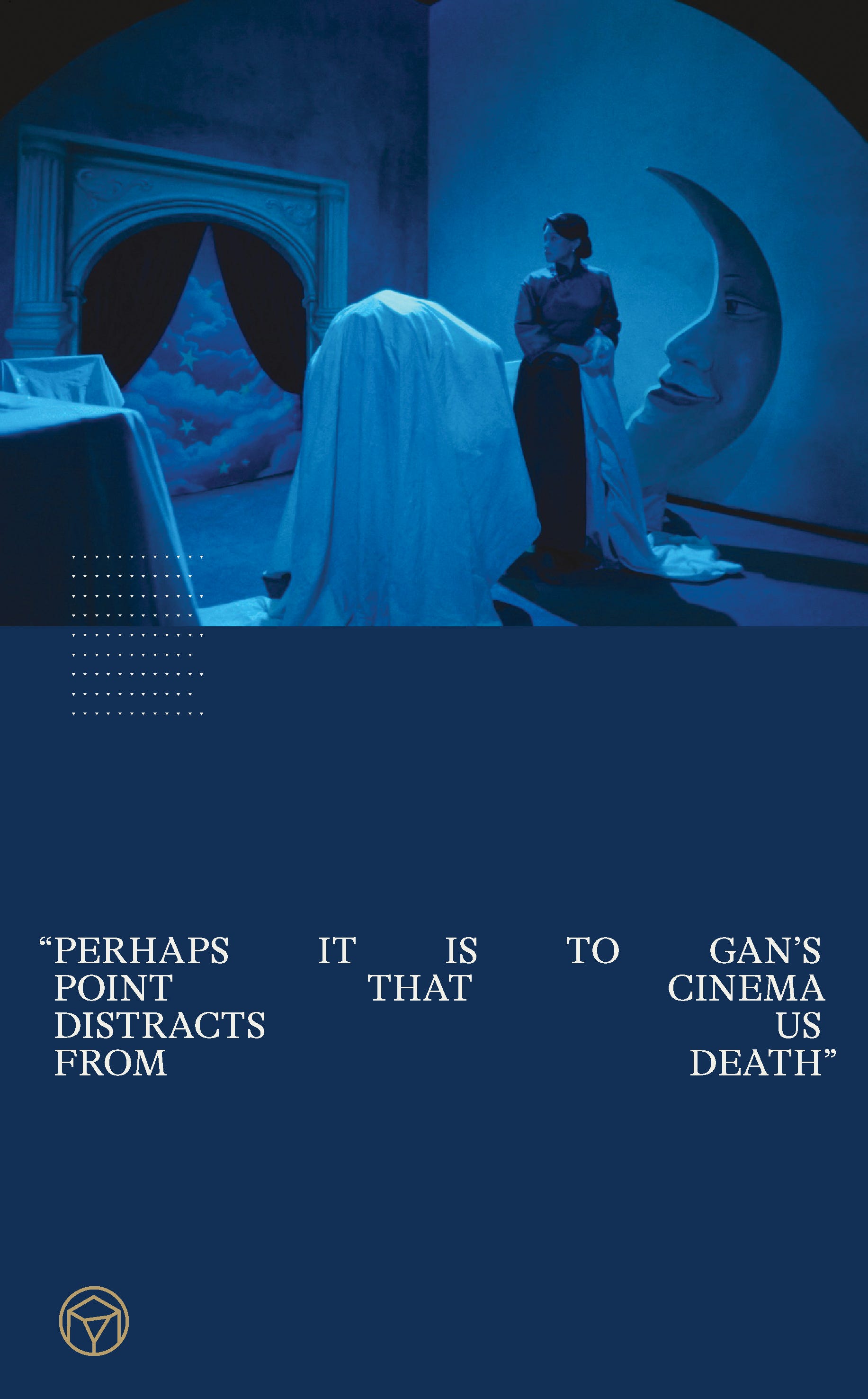
From here, the post-reverie narrative stalls for the film to launch into its series of movies within the movie, all featuring Yee’s Fantasmer in some guise. Each segment is also defined by one of the five senses. In the first chapter, the Fantasmer is a tortured prisoner in a wartime spy thriller accused of murdering a musician. He is held captive by a detective on the hunt for the musician’s suitcase. The relationship between the prisoner/ Fantasmer, the musician and the detective is nebulous: Flashbacks suggest the musician may have been trying to kill both himself and the Fantasmer on train tracks, but the Fantasmer flees by stabbing the musician in the ear. Of all the sequences, this one perhaps adheres most closely to the logic of dreams, in both imagery and unsettling coherence. The detective and the prisoner engage in a Lady From Shanghai-style shootout in a mirror shop, which ends with the detective finally claiming the suitcase. He opens it to find a theremin – but before he plays it, the detective stabs himself in the ear.
In the second chapter, the Fantasmer is an impoverished day laborer. His work brings him to a Buddhist temple, where he accidentally summons a deity after biting on a rock. The third chapter is a Paper Moon-like tale of a down-on-his-luck con man who teaches a young girl his tricks. They pair up to convince a wealthy scion that the girl has supernatural abilities; she can successfully identify a card from a deck using only her sense of smell. The final story takes place on 1999 New Year’s Eve, filmed in Gan’s signature long take. Here, the Fantasmer is a drifter who encounters Tai Zhaomei, a young woman (Li Gengxi) with mob connections, and trails her through the city. The extended tracking shot mimics the hyperrealistic dynamism of a role-playing video game. At times, the camera is quite literally on the couple’s heels as they walk through dilapidated warehouses and curved alleyways toward the karaoke bar where Zhaomei’s mob-boss lover (Mark Chao) is hosting a party.
By the fourth chapter, it’s become clear that Resurrection abides by its own digressive dream logic. Narratively speaking, anything goes. Dead characters are inexplicably revived and spirits are summoned. Zhaomei breaks into melancholic song before escaping with the Fantasmer on a boat, where she’s revealed to be a vampire and bites his neck. I was not so much troubled by the incomprehensible nature of this, or any narrative discrepancies in the individual stories. Rather, it was the film’s attempt to suture the vignettes into something unifying and profound that undercut its aesthetic aims. Gan felt that the film needed “a more complicated structure for the ending to make sense.” Yet its peripatetic nature seemed intent on depriving viewers of the sense of revelation or “resurrection” that the title alludes to.
The only consistent character is the shape-shifting Fantasmer, a cinematic entity that unites these loose narratives but is vacant of any dreams or desires. Without a fixed sense of character, the Fantasmer’s passive itinerancy becomes his defining feature. Perhaps it is to Gan’s point that cinema distracts us from death (or makes life bearable and therefore worth living), as the Fantasmer has been dying the whole time. But his fate feels increasingly unimportant with each passing vignette, so long as he inhabits a different character for the film to continue. As a result, the ending feels disoriented and inconclusive, as if Gan had, like the Big Other, simply run out of footage to keep going. Resurrection never moves beyond this initial proposition that cinema, like dreams, is essential to life. This is not to discount its breathtaking scope and beauty, but its visual achievements fail to amount to an emotional crescendo, a pure moment of intuited truth. What Gan forgoes, through his formal experimentation, is the dramatic stakes and emotional involvement that makes a film feel essential. Such a feeling is rare, but unforgettable: becoming so absorbed into a cinematic reality that a character’s emotions feel like an extension of your own.


