


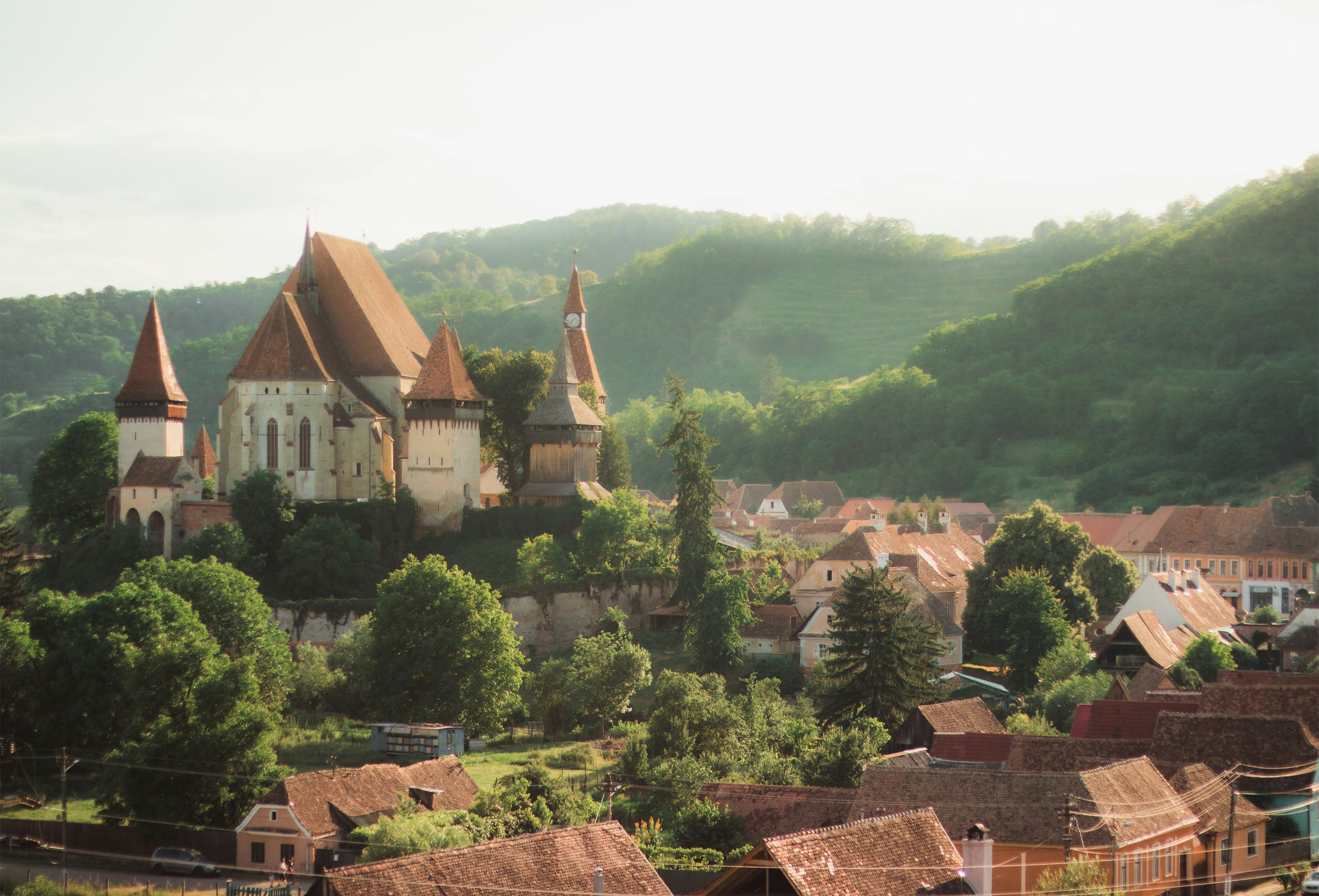
In Transylvania, a few years before the First World War, times are gentle and kind to people; life passes by without significant conflicts. Early summer is spoiling the village of Archita (Ärkeden in Transylvanian Saxon) with virtually perfect weather: rain here and there, sunshine here and there, never too hot or cold. The pine trees overlooking the village from the hill above, planted by the Saxons at the end of the 19th century, add an extra touch of mysticism to the area. The Saxons didn’t overdo it: they contributed to the wilderness instead of exploiting it.
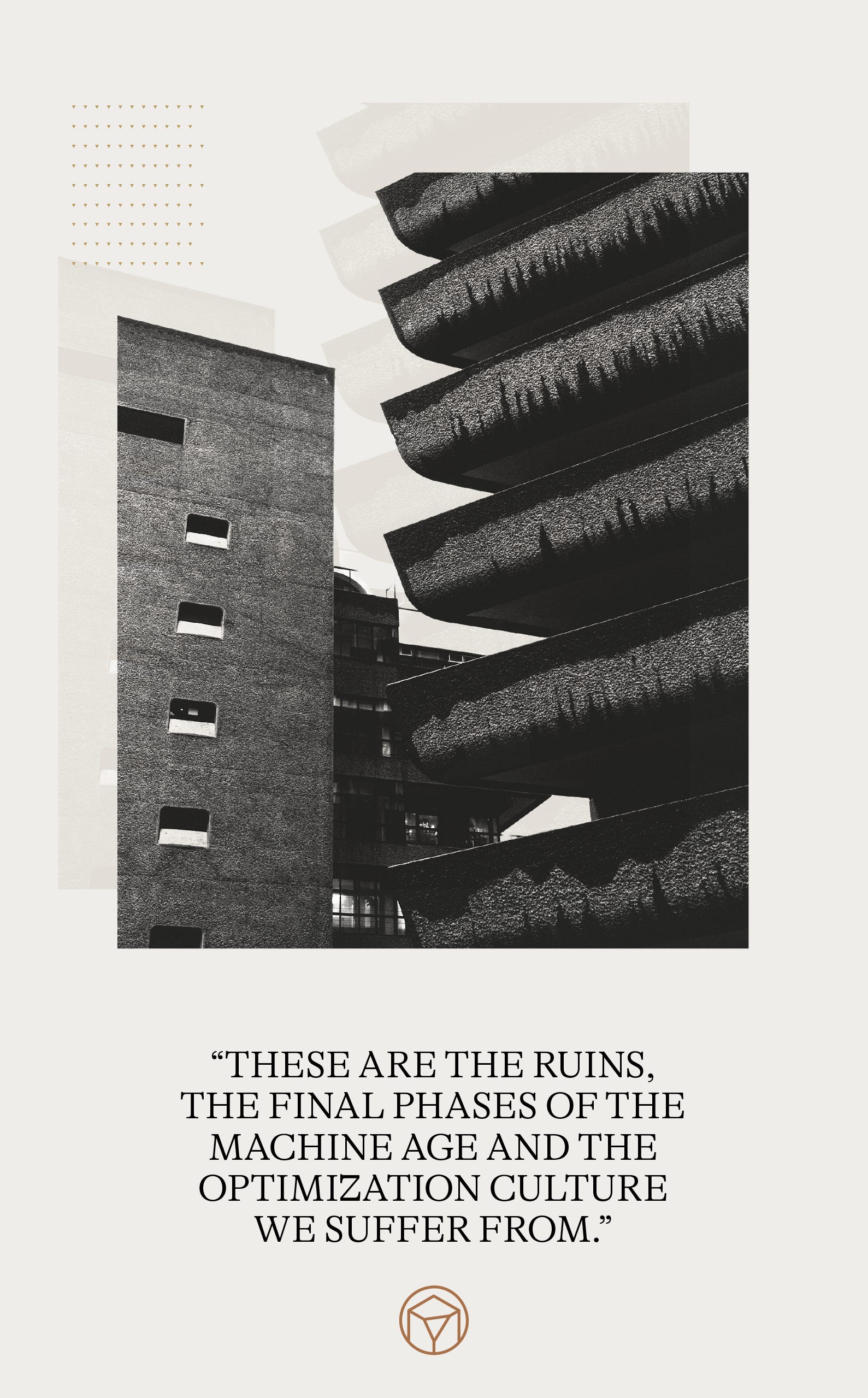
Am I the only one who finds it funny when someone says they like to go for walks in the forest because it regulates their nervous system? Or that prayer is a good practice because it boosts neuroplasticity? Such reductionist and strictly utilitarian thinking permeates our culture to the point where even figures who believe they are opposed to this way of thinking are part of it. If you read books only for productivity or to become more educated, rather than simply for pleasure; if you go running because it’s an easily trackable workout in terms of calories burned, speed or kilometers covered, instead of playing basketball or tennis; if you never drink wine (if you like wine) because it might slightly affect your sleep – you’re a creature of high modernism. These are the ruins, the final phases of The Machine Age and the optimization culture we suffer from. We’re victims of too much logic and reason, to the point where things become stupid, as too much logic destroys logic itself. Logic is genius not when it relies on its own resources, but when mysticism and spirituality take the lead and invite logic to be part of the gang without giving it too much autonomy.
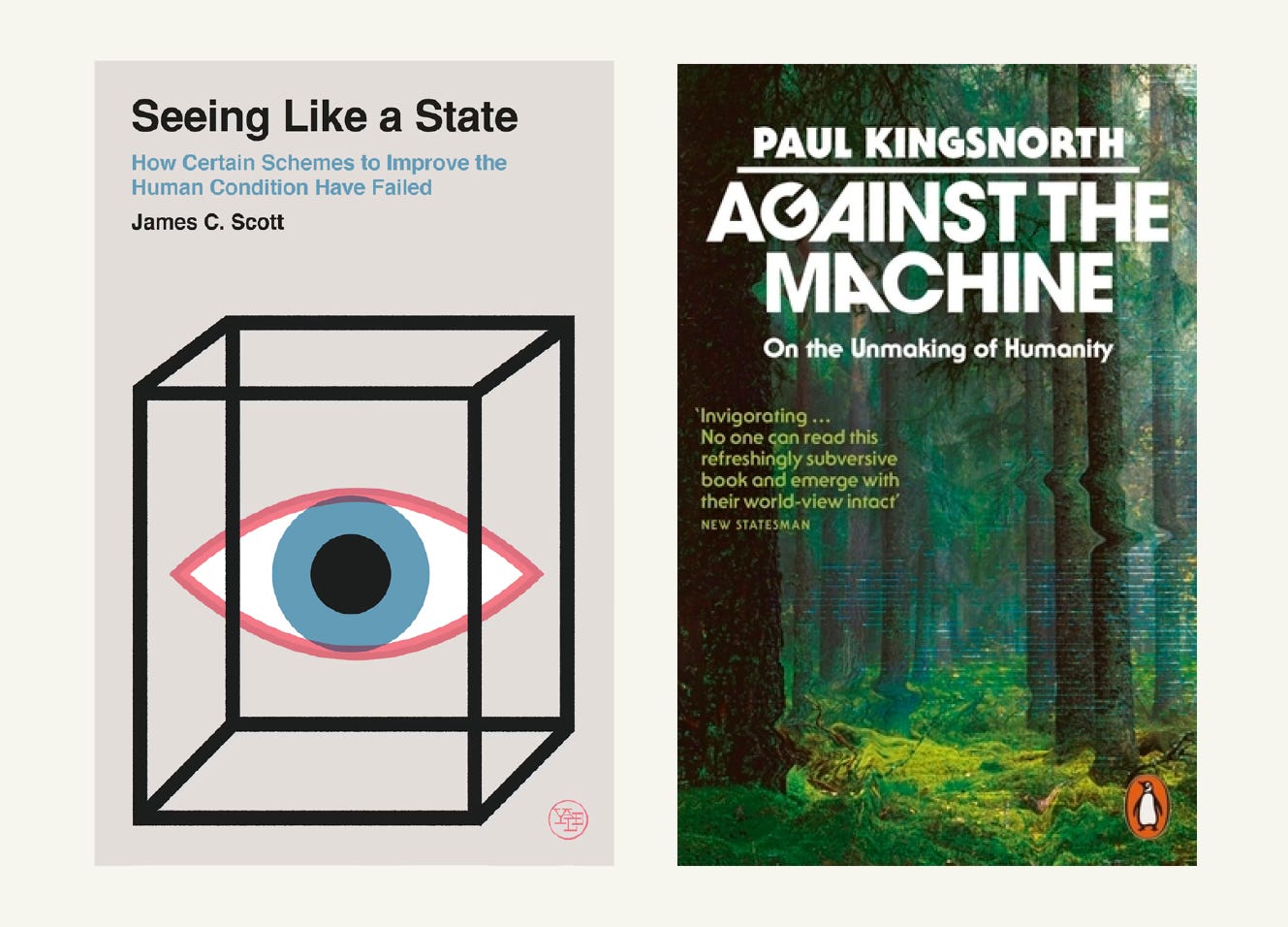
One of my favorite nonfiction books is Seeing Like a State by James C. Scott, a wonderful critique of top-down state planning, social engineering, scientific movement and modernist ideology. It is a critique of the worship of logic and a diagnosis of a world struggling with the death of God. The world used to be richer and far more diverse in terms of nature, agriculture, culture, ethnicity, dialects, cuisine, architecture, urban planning and so on. But this also meant that it was harder to control. To gain control, you thus have to get rid of its complexity by making the world more legible, easier to manage and tax. The only problem is that the map is not the territory: you end up oversimplifying the map, not the territory, and by doing this you simply add more (hidden) complexity to the world.
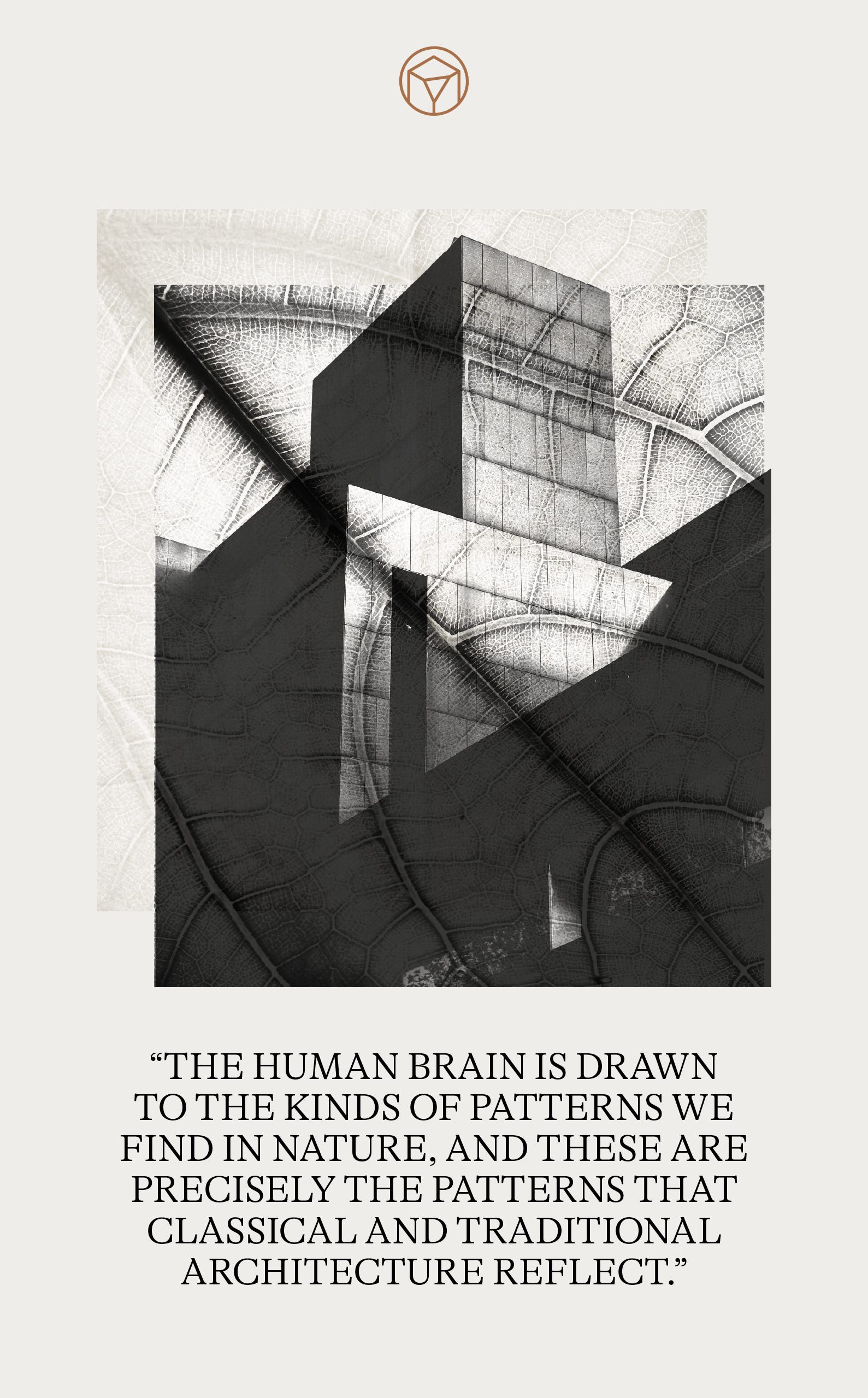
This way of thinking is perhaps best illustrated by the architecture of Le Corbusier. There’s a famous proposal of his, called Plan Voisin, in which he laid out his vision for rebuilding Paris. Thank God it never happened! His alternative to the existing urban fabric meant wide boulevards, straight lines and boxlike apartment blocks, with each district assigned a specific function (e.g., the financial district serving only one purpose) rather than being mixed-use. By contrast, cities and towns have historically developed organically. Take Palermo, Verona, Toledo or Valencia. Although planned to some extent, these cities and towns developed from the bottom up, in a vernacular fashion. There’s order there as well, but it’s a different kind of order, one that resembles the patterns found in nature. Look at the microscopic structure of a leaf, then look at an aerial view of Verona’s old town. The modernist city, however, abides by the rigid rules of Euclidean geometry. Verona may seem chaotic – it isn’t; our society has a flawed definition of chaos – yet people love living there. The human brain is drawn to the kinds of patterns we find in nature, and these are precisely the patterns that classical and traditional architecture reflect.
The modernist worldview also shaped the way we perceive and treat forests. The moment we stopped seeing forests as sacred, the exploitation started. Forests are no longer considered “nature” but “natural resources.” The same thinking applies to animals: some become “livestock” and others “predators.” Plants that are valued become “crops” while the rest are dismissed as “weeds.” Thus, slowly and stealthily, “the utilitarian state could no longer see the real, existing forest for the (commercial) trees,” Scott writes. And because only certain trees were valued, based on how quickly they grew or the quality of their wood for production, everything else became irrelevant. “Gone was the majority of the flora: grasses, flowers, lichens, ferns, mosses, shrubs, and vines. Gone, too, were the birds, reptiles, amphibians, and innumerable species of insects.” This ideology, known as scientific forestry, had its origins in late 18th-century Prussia and Saxony, where vast areas of forest were replaced with monocultures, often of Norway spruce, chosen for their rapid growth and commercial value. Like many modernist policies, initially this produced spectacular results: forests were easier to manage and exploit; timber production skyrocketed. But then pests started spreading more easily, soil was depleted as the ecological complexity of the forests was undermined, and plantations grew vulnerable to storms and fires.
Critics of Scott’s book follow a predictable line. Martin Sustrik, commenting on LessWrong, acknowledges that, indeed, “In 1932-33, Soviet collectivization destroyed local farming knowledge and produced a famine that killed somewhere between five and nine million people.” This is a clear example of the failure of top-down, reductionist, modernist thinking. But then he adds: “Here’s a number that doesn’t appear in Scott’s book. Eight billion. That’s roughly how many people are alive today, most of them fed by the products of scientific agriculture. Synthetic fertilizers, high-yield crop varieties, mechanized farming.” This is a funny argument because it relies on precisely the same thinking flaws Scott tackles.
What Sustrik fails to understand – perhaps because he is himself part of the ultra-rationalist movement, as is much of the LessWrong community – is that Scott isn’t simply talking about data or measurable outcomes, but about hidden risks and second- and third-order effects. Some degree of control and management is always desirable, and that is what progress entails. This is one of the reasons I admire the Transylvanian Saxons: they, too, planted pine forests near their villages to ensure a reliable supply of timber when needed. But they limited themselves to a single hill. And that’s the golden rule: they understood the value of managing only a tiny part of nature without being arrogant enough to believe they could control it all. Now Transylvania is the last truly wild and medieval corner Europe has to offer; more than 65% of Europe’s virgin forests are in Romania, largely Transylvania. Thanks to sustainable agricultural practices, southern Transylvania also boasts the highest density of wildflowers in Europe. This is the result of the Saxons’ profound understanding of and respect for nature, in contrast to their Prussian relatives, who got too cocky.
The modernist worldview is arrogant when it comes to grasping the limits of its own power. It’s the myth of Icarus playing out on a civilizational scale. Our world, partly because of this ideology, has become successful, but also fragile. The organic, bottom-up approach is more resilient, sustainable and at times even antifragile. When mistakes are made, their consequences remain local rather than spreading throughout the system. You enjoy the freedom to learn from your mistakes before they spread to the entire system. Modernist thinking, in its obsession with optimization, refuses to acknowledge second- and third-order effects. What looks like progress, growth, civilization and science breeds vulnerabilities again and again, which only become visible later, when it’s often too late. And then the entire system collapses. Everything works so well – until it doesn’t. Thus, looking at mere data tells us very little. Principles and philosophy are critical. Sustrik doesn’t recognize that the data he points to is precisely the kind of data the Prussians were celebrating when they first planted Norway spruce monocultures. Similarly, we’re celebrating early success: what we’re building isn’t sustainable. The modern world doesn’t “optimize” for antifragility or resilience whatsoever; it ignores fragilities.
While Scott discusses the modernist worldview from a policy perspective, I’ve recently read a book that discusses it from a spiritual perspective: Against the Machine by Paul Kingsnorth.
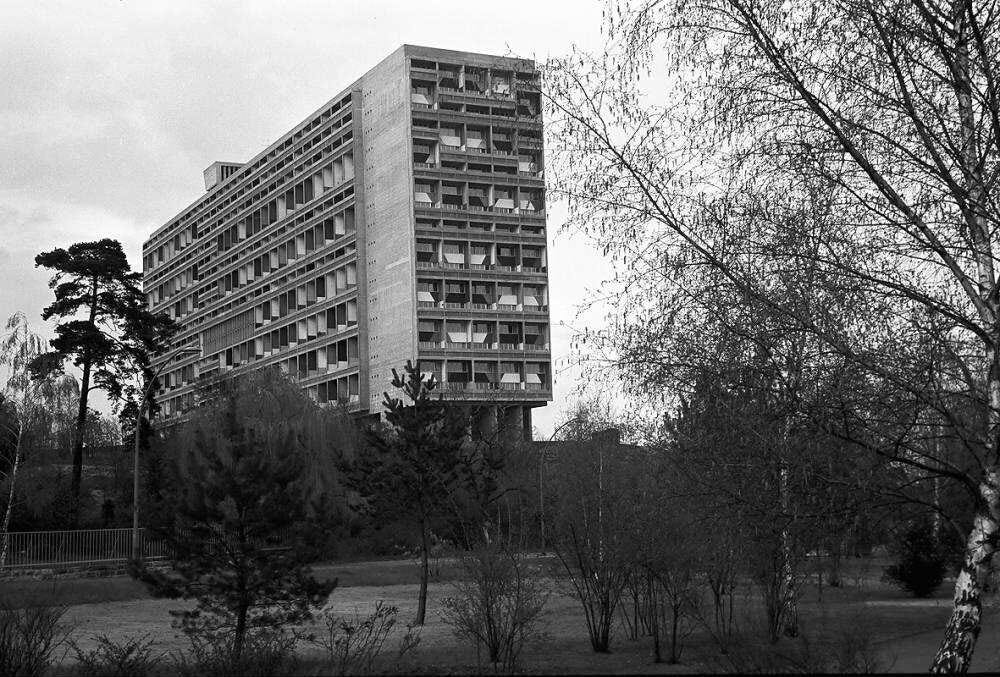
It’s fair to say The Machine Age has given us extraordinary achievements: technologies and forms of power our ancestors couldn’t even dream of. We escape suffering through medicine, boredom through entertainment, numbness through consumerism, burnout through retreats in Bali, and spiritual effort through hallucinatory experiences. Yet the vital confusion of existence doesn’t go anywhere. Our existential crises deepen. Measuring, analyzing, organizing and upgrading every part of our lives renders us seemingly efficient but profoundly hollow.
While I enjoy Kingsnorth’s book, there’s something about it that makes me uneasy. It’s too nostalgic, and nostalgia is anything but a sign of cultural vitality; it’s a sign of decline and decadence. It’s easy, very easy, to point out how ugly the world is and how terrible it is from so many perspectives. I understand that Kingsnorth makes an effort toward the end of the book to offer us some sort of manifesto on how to live in these times, but only a tiny portion of the book is dedicated to that, and it doesn’t satisfy me. He calls for a return to the eternal things, arguing that this is how we must rediscover the sacred. And I agree with him to some extent. But his reluctance to articulate a vision of how to leverage The Machine Age leaves me drowsy and confused.
“People, place, prayer, the past. Human community, roots in nature, connection to God, memories passed down and on. These are the eternal things. We could form hedge schools to teach them. We could live them in any way we can. We could build communities. We could write books. We could plant trees. None of it will ‘solve’ all of the world’s problems, or all of ours. We are still going to die; and so, one day, is the Machine. But what will we do in the meantime? What will we do amidst the rise of the robots, amidst the ascendancy of all these tiny, laughable, tyrannical dreams?” – Paul Kingsnorth
We need to rediscover the power of myths and fairy tales – but maybe we need different packaging. Maybe we need to camouflage the sacred within the context of The Machine Age. A return isn’t feasible. We shouldn’t be nostalgic about the past, but about the present and the future! We should ride the wave of modernity, domesticate the Machine rather than fight against it, all while remaining intellectually and spiritually fortified.
I believe we live in a disenchanted world, but one in which we can still live meaningfully by embracing the eternal things while remaining forward-looking and capable of imagining a new future. Think of Art Deco architecture: absolutely magnificent, undeniably futuristic, yet rooted in tradition. This is the kind of vision we need on a macro level, and this is what I’m trying to achieve through my writing and projects. Complaining about the world and retreating into the woods to live with goats isn’t exactly the future I imagine if we dare to dream, with fervor and zeal, of cultural change. We live in The Machine Age whether we like it or not. Retreat is cowardly.
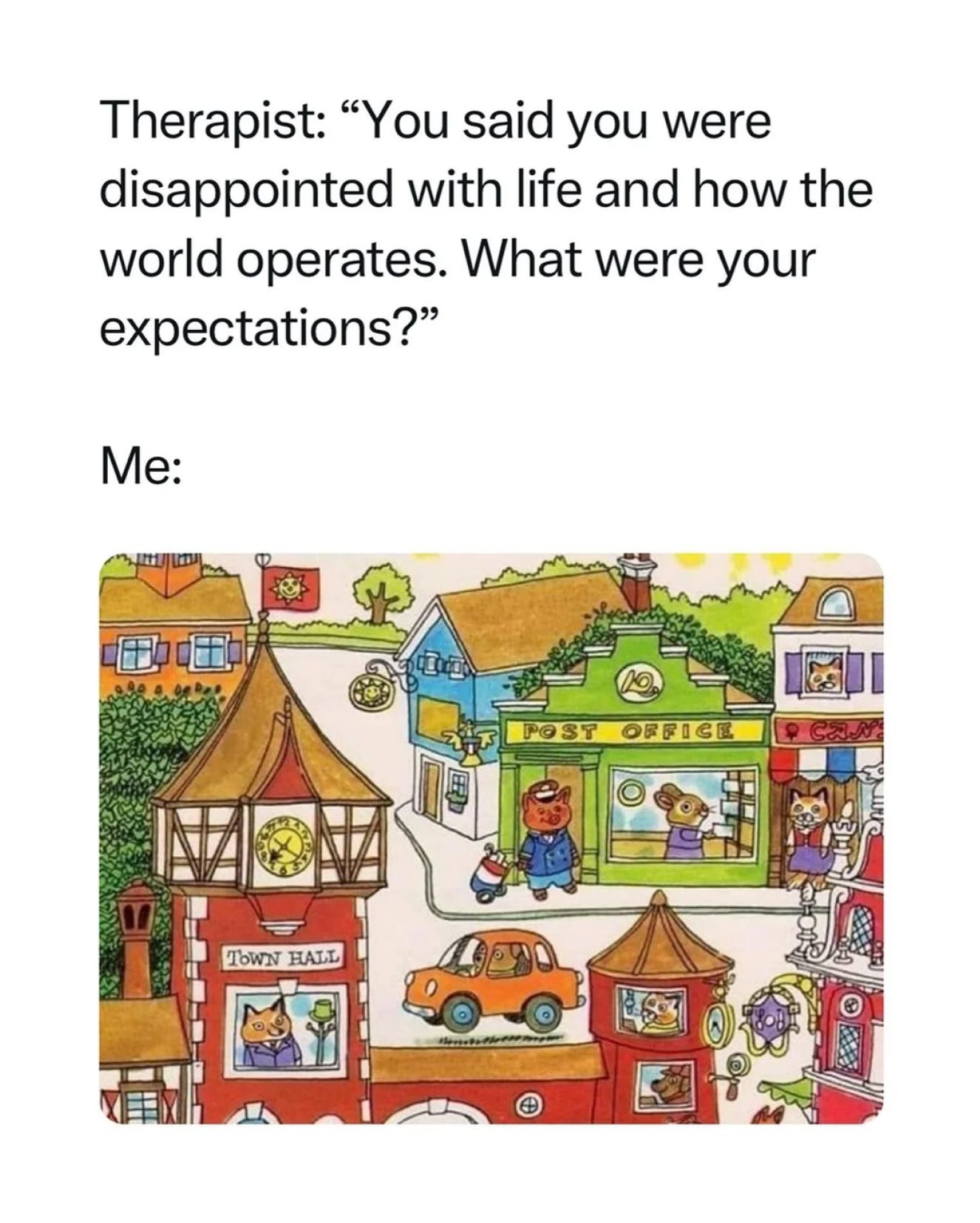
What I learned with the help of Cioran, Nietzsche and Spengler is that if a great number of people grow fascinated with history – especially with the history of their own country – this marks a symptom of decadence. Nostalgia signals cultural decline and hopelessness rooted in the spiritual poverty of the present moment. One barters creative momentum, the fever and delirium of a more fruity, more animated future, for a drunken immersion in retrospection. Once a culture has exhausted its creative drive, it begins to drift away from itself, conjuring the illusion of return through the study of history. Do you think the construction of cathedrals or pyramids was born out of a love for the past, or out of a present filled with ecstasy and a crazy vision of the future? Creative naïveté is anchored in the future; history is meant to ferment inspiration, not to be distilled into nostalgia.
Being antimodern doesn’t mean being conservative or traditionalist. It has nothing to do with being nostalgic about the past. But it has nothing to do with nihilism, relativism or knee-jerk contrarianism either. Being antimodern means to be nostalgic about the future! It’s about reinventing tradition, bridging the gap between the sacred and the profane, sympathetically merging timeless truths with modern drama. The goal is to be totally avant-garde yet cemented in tradition.

